
- An unparalleled commitment to quality!
- +91-8920424366
- marketing@afpl.in
Exploring the psychology behind casino games and player behavior - AFPL
The Allure of Casino Games
Casino games have an undeniable allure that captivates players from all walks of life. The bright lights, engaging sounds, and the thrill of potential winnings create an environment that stimulates excitement and anticipation. In this context, some enthusiasts may even explore non gamstop betting options, which can provide varied experiences. This sensory experience plays a crucial role in engaging players, drawing them into a world where chance and skill collide. Understanding the psychology behind this attraction is essential to grasp why many individuals are drawn to these games, often returning for more despite the inherent risks.
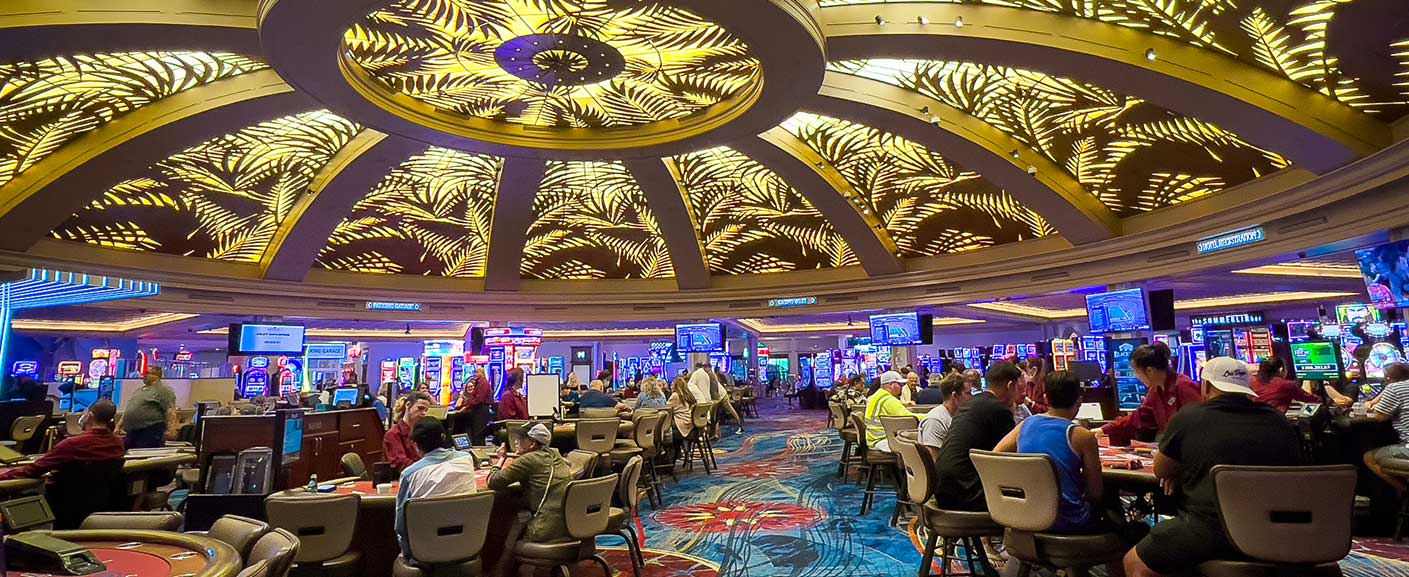
Moreover, the design of casino games is carefully crafted to enhance player engagement. Game developers use psychological principles such as variable rewards, which means that players receive payouts at unpredictable intervals. This unpredictability fosters a sense of hope and excitement, compelling players to continue playing in the hopes of hitting the jackpot. As they engage with these games, players may experience a rush of adrenaline, further reinforcing their desire to play.
The Role of Risk and Reward
At the heart of gambling lies the concept of risk versus reward. Players are inherently motivated by the potential for monetary gain, which can lead to heightened emotional responses. The excitement of winning can produce a surge of dopamine, a neurotransmitter associated with pleasure and reward. However, this relationship can also lead to impulsive behavior, where the thrill of the game overrides rational decision-making, causing players to wager more than they can afford.
This risk-reward dynamic is deeply ingrained in human psychology. Many players become enamored with the ‘near-miss’ phenomenon, where they come close to winning but don’t quite succeed. These experiences can create an illusion of control, encouraging players to keep trying in hopes of eventually securing a win. The desire to overcome the odds keeps players engaged, often leading to prolonged periods of gaming.
The Impact of Social Influences
Social factors significantly influence player behavior in casinos. Many individuals are drawn to games not just for personal enjoyment but also for the communal experience they offer. Engaging with others, sharing stories of wins and losses, and the camaraderie found in casino environments enhance the overall experience. Social interaction can make the act of gambling more appealing, as players may feel a sense of belonging among their peers.
Furthermore, peer pressure and social norms can heavily impact gambling behavior. Players may feel compelled to continue playing or to raise their bets in response to friends’ expectations or group dynamics. This social aspect of gambling can create a powerful desire to conform to the behaviors of those around them, often leading to increased betting and risk-taking behavior.
The Psychology of Loss and Recovery
The experience of losing in a casino can deeply affect players’ psychological states. Many individuals operate under the belief that they need to recover their losses, often referred to as ‘chasing losses.’ This behavior can lead to compulsive gambling as players become trapped in a cycle of risk-taking in an attempt to regain lost funds. The desire to recover can overshadow logical reasoning and exacerbate financial problems.
Additionally, the fear of missing out (FOMO) can amplify this mindset. Players may feel compelled to keep playing to avoid the regret associated with not seizing an opportunity, driving them to make impulsive decisions even when aware of potential losses. Understanding this psychology is critical for players to recognize when to step back and reassess their gambling habits.
:max_bytes(150000):strip_icc():format(webp)/Casino-Games-by-Michael-Blann-GettyImages-200325572-001-5c26042d46e0fb00017bb4b3.jpg)
Resources for Responsible Gambling
For many individuals, gambling is an enjoyable pastime; however, it’s vital to approach it with a healthy mindset. Resources are available for individuals who may feel overwhelmed by their gambling activities. Programs focused on responsible gambling offer valuable information on setting limits, recognizing harmful behaviors, and understanding the signs of gambling addiction.
Support organizations provide guidance and community connections for those affected by gambling-related issues. Emphasizing the importance of balance, these resources can help players enjoy casino games responsibly while safeguarding their mental and financial well-being. Engaging with such support can empower individuals to make informed decisions about their gambling activities and promote a healthier relationship with games of chance.
